


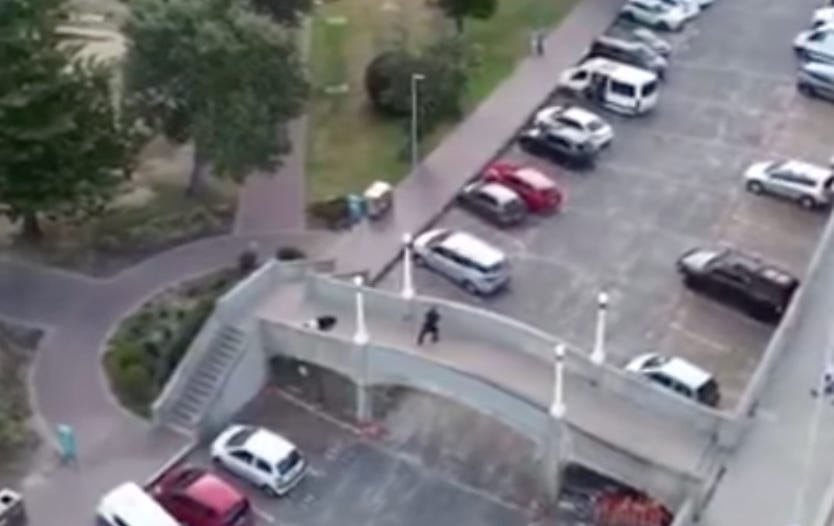
Australian Jewish and Muslim groups are calling for unity and a rejection of right-wing incitement in the aftermath of the Bondi massacre on Sunday, which killed 15 people.
“We are in an incredibly significant but fragile moment,” Max Kaiser, the executive officer at the Jewish Council of Australia (JCA), said. “This should become a moment of unity for Australia, and a meaningful opportunity to address antisemitism in a way that helps ensure we never face such horror again.”
A statement by the Islamic Council of Victoria (ICV) also called on “all Australians to promote unity, compassion and respect”, adding that “no one benefits from division”.
Hateful incidents have taken place since the Bondi attack, including the desecration of a Muslim cemetery with pig heads in south-west Sydney. The ICV also reported a “disturbing increase in Islamophobic harassment”, including “more than 30 abusive and threatening calls and messages” to its president. Meanwhile, the JCA said it had received “a bunch of hate and vile abuse” following the attack.
“Anyone using this opportunity to encourage hatred needs to take a long hard look at themselves,” Kaiser said.
“The right are already using this attack to stir up racism against Palestinians, Muslims and migrants in general. We need to push back against this narrative.”
Segal’s divisive remarks
The JCA was also sharply critical of Jillian Segal, the Special Envoy to Combat Antisemitism, following her statement on Sunday evening assigning blame for the Bondi attack on anti-genocide protests.
“This did not come without warning. In Australia, it began on 9 October 2023 at the Sydney Opera House. We then watched a march across the Sydney Harbour Bridge waving terrorist flags and glorifying extremist leaders. Now death has reached Bondi Beach,” her statement read.
Kaiser, an antisemitism expert with a PhD in Australian Jewish history, criticised the remarks as “highly irresponsible”, adding that “this should immediately disqualify her from being taken at all seriously on the issue of antisemitism”.
“We have been overwhelmed with support from our Palestinian and Muslim friends and allies. We need to keep pushing for responses based in love and solidarity from across all communities,” he said.
Segal, the former head of a pro-Israel lobby group, also called on the prime minister to “fully endorse” her controversial plan to combat antisemitism. The plan was widely criticised as “anti-democratic“ by civil society groups and fell out of the spotlight after its release in July.
Segal’s plan called for all levels of government to adopt an antisemitism definition that includes criticism of Israel and Zionism, and demanded extraordinary powers to “monitor media organisations” and withhold funding from universities.
The JCA is urging the Albanese government to reject the plan, dismissing it as “authoritarian” and “counterproductive in the extreme”.
“The measures she proposes amount to media, university and civil society censorship for any views she deems ‘antisemitic’, including pro-Palestine protests,” Kaiser told Deepcut.
Rising antisemitism
There is no dispute within Australia’s Jewish community over the rise in antisemitism. Where differences emerge are in the factors contributing to its rise, and what should be considered antisemitism.
The Executive Council of Australian Jewry, the nation’s most prominent pro-Israel group, released a report this month recording 1,654 “anti-Jewish incidents” in the year to October 2025. But as Deepcut reported, those incidents included anti-Israel slogans and statements of opposition to the genocide in Gaza, which the JCA argues should not be considered as antisemitic.
“We have been warning about rising antisemitism since we were formed in February 2024,” Kaiser said. “It’s certainly true that there has been a lot of political misuse of antisemitism claims and deliberate fearmongering that purposefully conflates criticism of Israel with antisemitism.”

“There are a few different factors involved here:
the growth of the far-right here and internationally,
the open promotion of extreme racism and antisemitism via social media platforms owned by far-right oligarchs,
people who have taken advantage of justified anger at Israel to push a racist agenda against Jewish people,
and a racial dehumanisation that has accompanied Israel’s genocide.”
“Underlying all of this is a serious history of structural racism in Australia – from colonisation to the White Australia policy and onwards, which means that different groups are liable to racialisation and violence.”
An alternative plan
The federal government has another plan sitting on its table, one that the JCA says is a “holistic, evidence-based approach to combating all forms of racism, including antisemitism”: the National Anti-Racism Framework.
The Framework was the work of the Australian Human Rights Commission, published in November 2024 with 63 recommendations to tackle racism across society. Among them are a Human Rights Act, a National Anti-Racism Taskforce, truth-telling and self-determination for First Nations, and strengthening “regulation of media organisations on reporting related to First Nations and other negatively racialised communities”.
On its one-year anniversary this year, the JCA and eight other Jewish organisations issued a joint statement calling on the government to “reject the Special Envoy’s plan” and “fund and implement the Australian Human Rights Commission’s National Anti-Racism Framework”.
As the Bondi massacre shows, the risks of not taking racism seriously are too great to ignore.
“It’s clear we are all hurting and all see the great danger of this moment,” Kaiser said. “The worst thing that could happen now would be responses that demonise people and further empower the far right.”
Thank you so much Jewish Council of Australia for your leadership as always.
Anyone who would exploit the deaths of all those people for their own racist agenda is beneath contempt.