


Last month the UK parliament passed legislation to nationalise British Steel. It ends nearly 40 years since it was privatised in 1988, and marks just yet one more failure of the private sector to deliver for the public. It should be the start of many more such nationalisations in the UK and Australia.
In his 1996 State of the Union address, Bill Clinton’s proclamation that “the era of big government is over” was a major stamp of approval of the neoliberalism that had taken over the body politic like a cancer in the UK, US and Australia.
He – the first (but not last) boomer president – bought into the swindle that sought to tear down what had existed post-WWII. He was but one of many in a generation who grew up with the benefits of the social contract but with little understanding of its worth.
The malignant force of neoliberalism went around destroying public services and institutions, attempting above all to prove Margaret Thatcher’s famous aphorism that “there’s no such thing as society”.
Well bollocks to that.
That it was a Democratic US president spouting the lines that Freidrich Hayek would have loved to hear only reinforced the aggressive nature of the poison that spread across the English-speaking world from the mid-1970s onwards.
Governments of the notional “left” (or centres thereof) were just as eager to sell off everything publicly owned as were the conservatives who probably could not believe their luck that progressives had fooled themselves into thinking the market would deliver benefits for all, and in a more productive and effect way.
God bless the market, and please applaud our budget surplus.
I don’t have many maxims in life, but one of them is that the moment you privatise a public service is also the day you should set the date for the Royal Commission into the failures and abuses of the system.
Aged care and childcare are the prime example. The corrupted view that the free market will deliver optimal outcomes is based on a fraudulent belief that not only was the market free, but that those using aged and child care services are able to make decisions based on equal information and power as held by the providers.
They don’t and so the abuses occur, both financial and personal.
But even in less abusive services, such as electricity generation, the failures still abound.
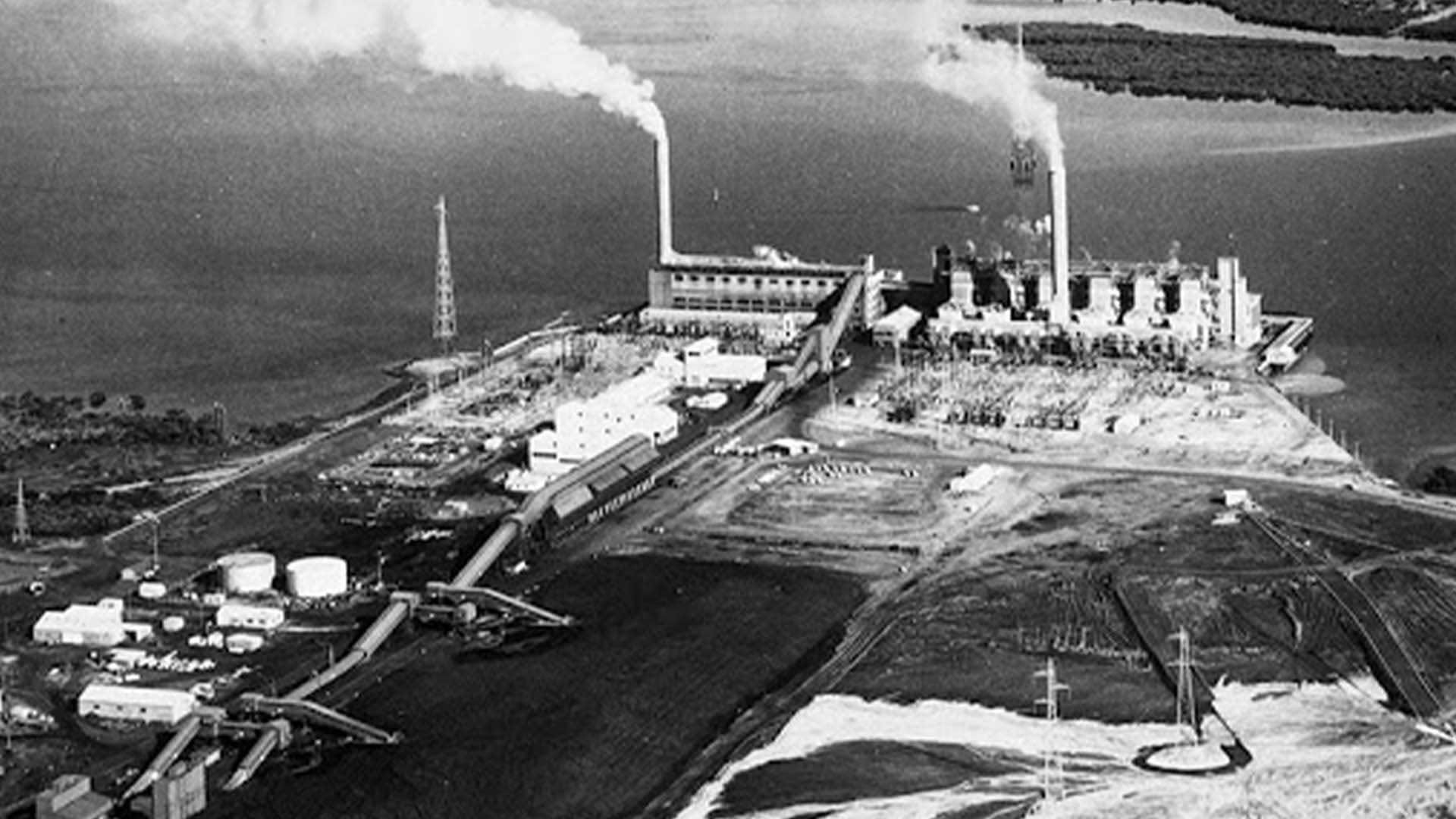
Governments here and abroad were suckered into thinking the private sector was more efficient and failed to realise they were quite often replacing a public monopoly with a private one – such as happened in South Australia when the old Electricity Trust was sold off in 1999:
And private monopolies like making monopoly profits.
Governments respond by putting in place regulations to limit the damage – maybe create a “market”, and then the free market brigade decry the cost of red tape, because my gosh just think of the productivity (profits) that could happen and so governments pledge to reduce it.
And even if the horrors of privatisation don’t get to the RC phase, so deeply rooted is the neoliberal tumour that governments will routinely review the service and conclude essentially that it is a failure, but … you know … efficiencies.
Take employment services. I hit the labour market in the early 1990s (ahh yes, 18% youth unemployment!) and headed to the Commonwealth Employment Services (CES) to look for jobs and be treated like a human by the public servants working there.
But privatisation hit that as well.
John Howard killed it off and replaced it with privatised job networks.
They failed except in generating profits.
Even the Government’s 2023 Employment White Paper was pretty damning, citing evidence the “employment services had failed to keep those people at the highest risk of disadvantage connected with labour markets, let alone in paid employment”.
The report concluded the system “drives down the cost of the income support system by getting people into any job rather than matching them with roles that best suit their skills and interests. Around 44 per cent of job seekers retain their employment following placement for less than 12 weeks”.
I mean sure the outcome is bad, but those costs are so low!
Well not really.
A recent report by the Centre for International Corporate Tax Accountability and Research found that current employment services contracts registered on AusTender total $5.5bn, and just nine providers – all of whom are for-profit – get a third of that money as private equity firms chase the cash cow that is delivering public services for private profits.
The government recently announced it will reform the system.
Some of the work will go online run by the public service, but the private employment services providers remain to make money out of those who have been unemployed for longer (e.g. three months) or lack skills – i.e. the very groups of people who have been failed by the current privatised employment services.
But no worry – new payment incentives to replace the old payment incentives will deliver improvements. This time.
And all the while mutual obligations remain, and Jobseeker is around 40% below the poverty line.
Now we have the Victorian government contemplating selling Melbourne Water (gotta worry about that budget deficit!).
Last month, The Australian, still one of the biggest cheerleaders for neoliberalism editorialised about the glories of private health concluding, “Private health insurance is a public good that must be encouraged”.
Well get stuffed. Public goods are not a source of profits. And we need to stop pandering to the whims of con artists who for over 40 years have destroyed a social fabric in the name of profits.
Public services should once again be owned and run by the public.
The growth of privatisation has also coincided with a decline in the capacity to actually do things for the market will provide.
I believe you are right on every level. When I married in 1972, utility bills while still needing to be budgeted for, were affordable for mid to lower income earners. Now they’re often crippling leading users to significantly pare back their usage, especially gas. My son lives in a rental property which only has gas for heating. He doesn’t turn it on, and instead relies on a steady supply of fencing supplied by his fencer mate to use in the open fireplace. Not really great for the environment but easier on his bank account.