


By Natalie Kyriacou OAM - environmentalist, charity director, and author of Nature’s Last Dance: Tales of Wonder in an Age of Extinction
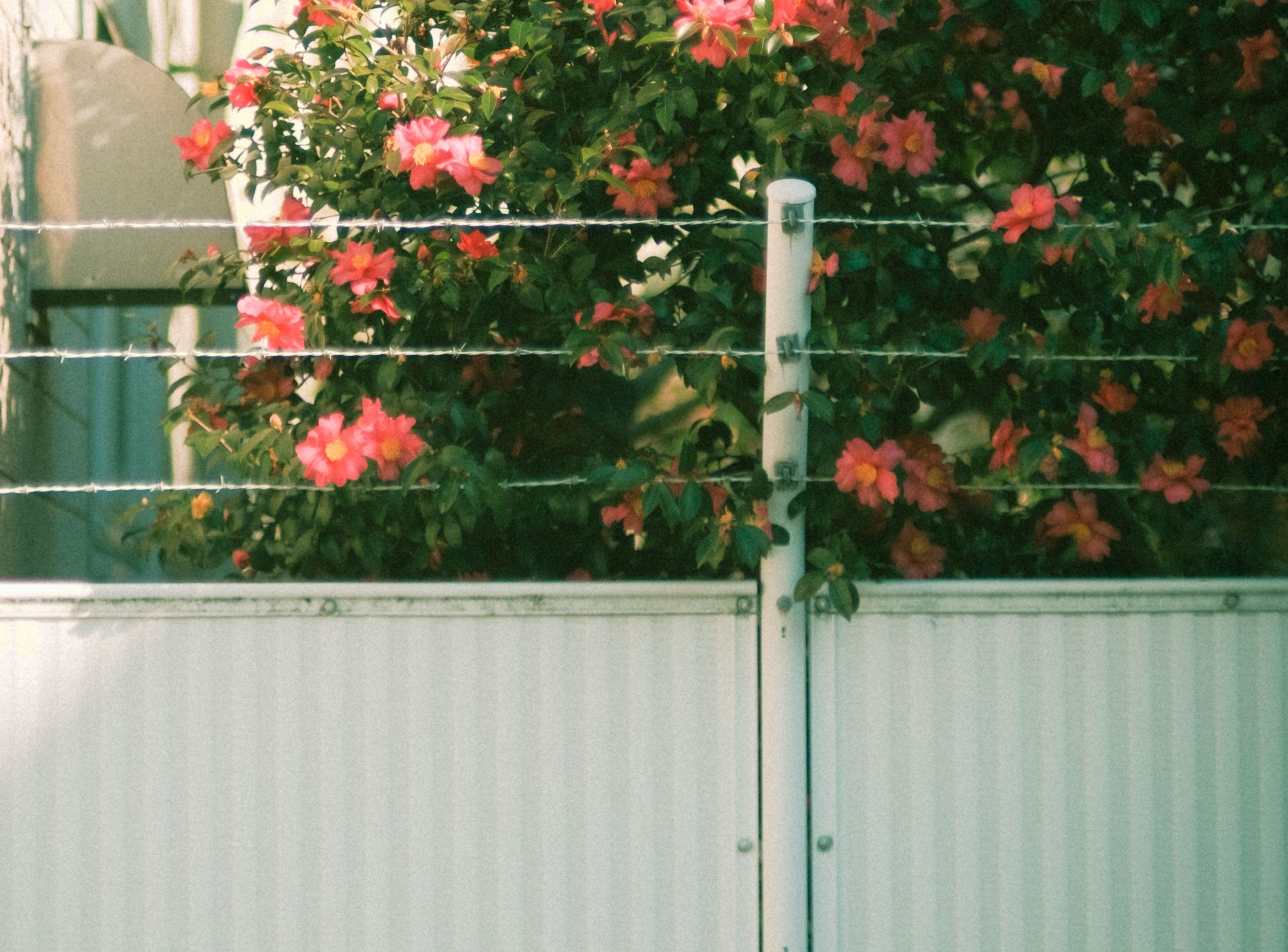
The ideal neighbour is one you never see or hear, so we’re told.
After all, modern life has largely been shaped by the lines we draw between one life and another. And arguably nowhere was that separation more beautifully rendered than in the picket fence.
Once used by soldiers in the Middle Ages as a military defence against advancing armies, the picket crossed the Atlantic Ocean in the 17th century and soon became the picket fence. Within a couple of centuries, the white picket fence had become a symbol of the “American Dream”; a foundation for home ownership and the nuclear family. It signalled respectability and prosperity; a promise of the good life that soon permeated much of the western world.
Fences zigzagged through communities, divorcing houses from the street and neighbours from each another.
As the decades wore on, these fences grew higher. The spaces between the pickets narrowed. Wood became brick, and brick became concrete. The barrier that marked the edge of a garden began to reshape life beyond it.
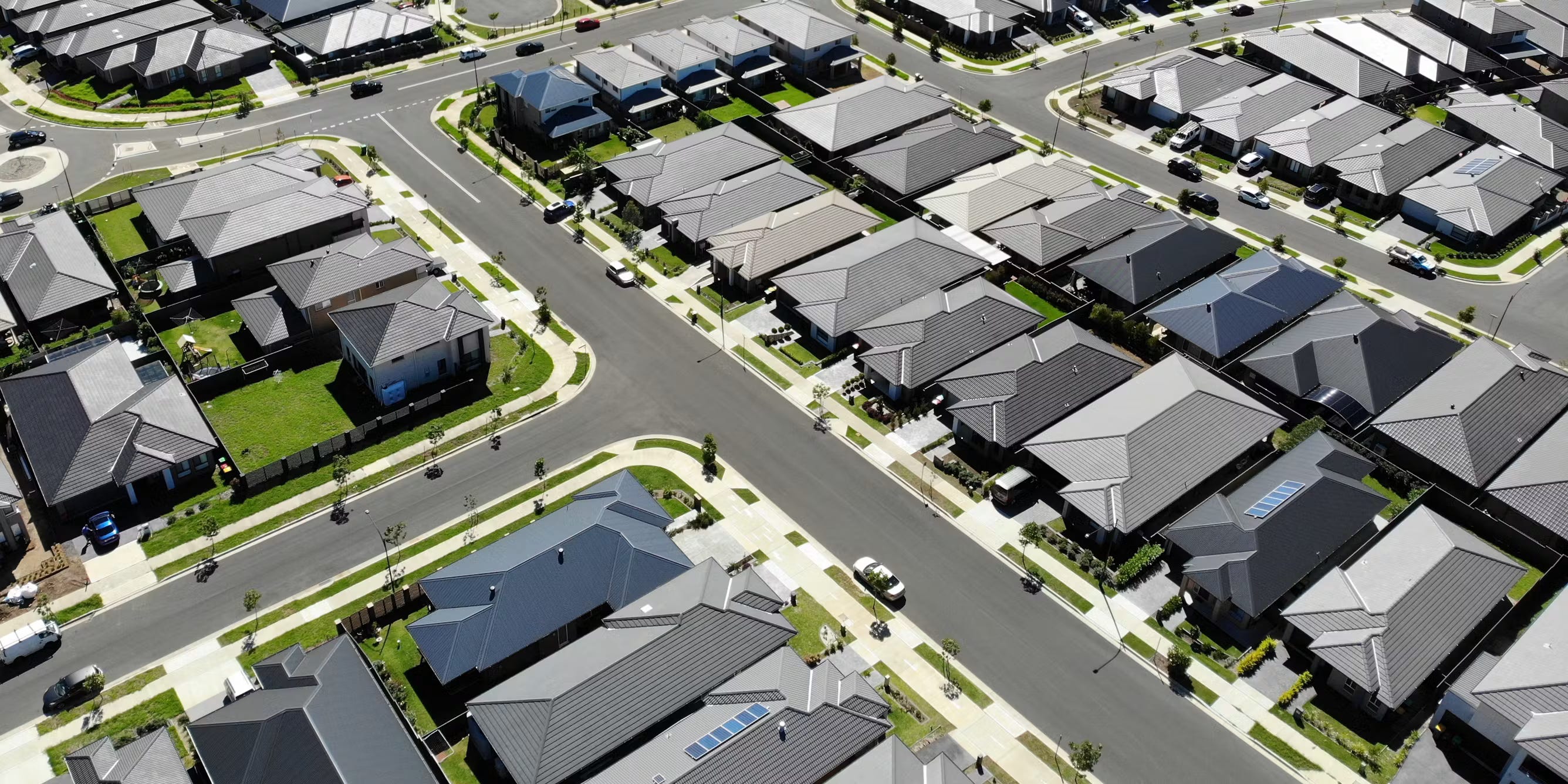
We stopped walking with friends and started driving single-passenger cars. Parks and playgrounds gave way to social media, households grew smaller as houses grew larger, and community eroded as neighbourhoods increasingly came to prize privacy and seclusion.
The consequences of this can be a matter of life or death. Almost one-in-three Australians feel lonely, with 15-24-year-olds lonelier than any other age group. And globally, loneliness is linked to an estimated 100 deaths every hour – more than 871,000 deaths annually.
Today, there is a deep longing for community. Across the world, people are imagining new ways of living, seeking to resist the modern influence of individualism, isolation and even capitalism.
Along the Llano River in Texas, for example, a group of friends built sustainable cabins alongside one another. The so-called “bestie row” includes shared living and dining areas and is designed to allow these friends to grow old together.
A group of neighbours in the district of Sants-Monjuïc, Barcelona, took this one step further. They joined forces to address the problem of housing affordability by building a 28-unit collective housing cooperative. La Borda Housing Collective is a cooperative built on public land. It’s designed around principles of sustainability and collectivity, and includes a communal kitchen, dining room, laundry, and shared outdoor spaces.
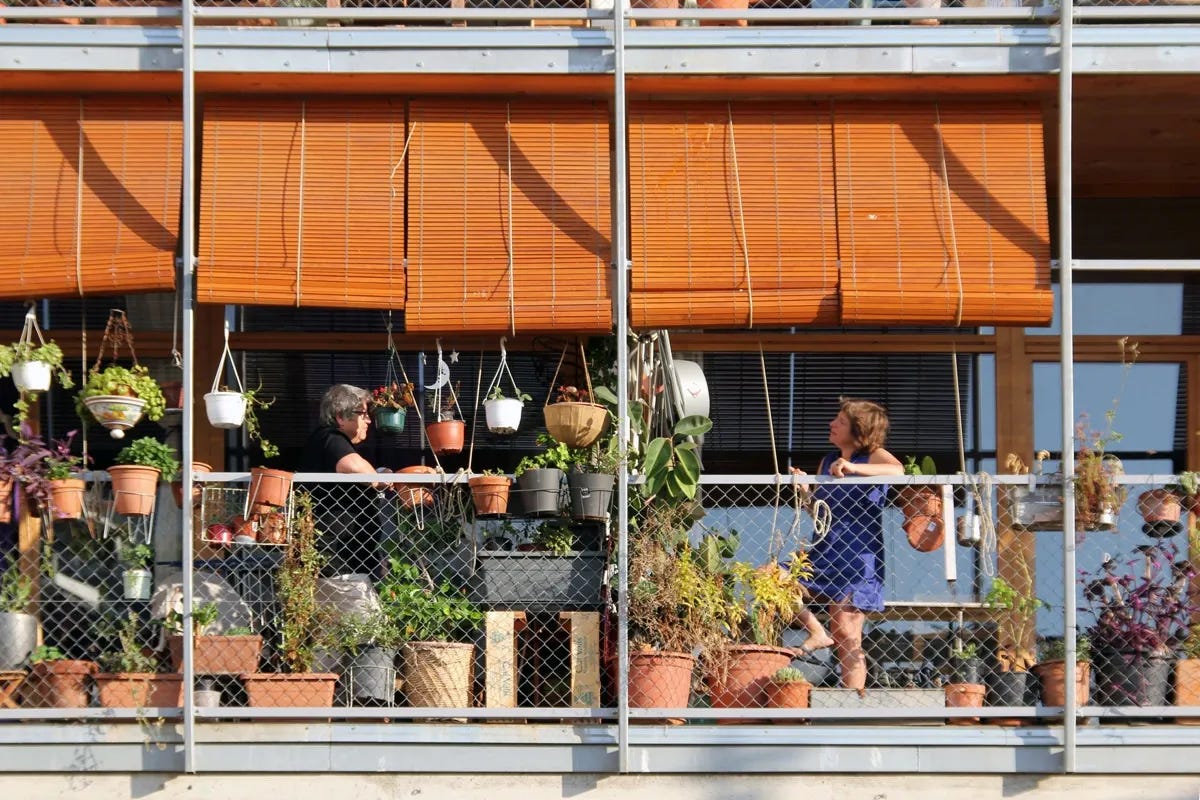
Whatever they may be called – friend communes, intentional communities, cohousing projects, community-led housing – and whatever flaws they may have, the intention remains the same: to weave lives together and to belong.
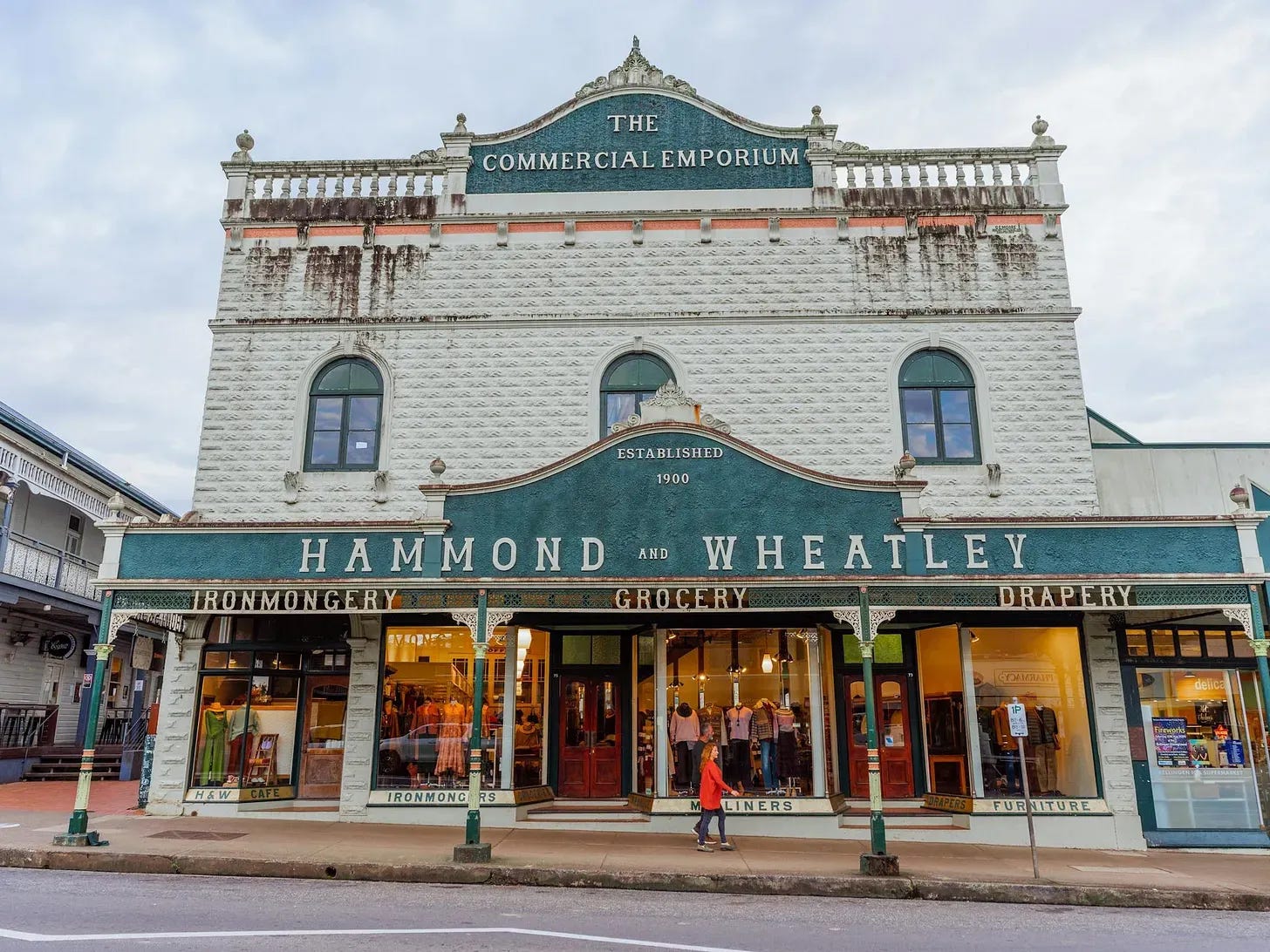
It’s happening in Australia too. In New South Wales, the people of Bellingen nurture a similar sense of togetherness. The tightknit community has a longstanding reputation for resisting major corporate influence, chain stores and fast-food franchises. Activism and environmental stewardship run deep through the veins of the Bellingen community, whose residents have often mobilised to protect its unique identity and character.
That commitment extends to how the community plans for its future. Bellingen Shire’s housing strategy was co-developed through extensive community engagement, with an emphasis on development that protects community connection and environmental stewardship. Development that threatens to undermine the character or environmental value of the community often faces strong local opposition. More recently, Bellingen Shire councillors voted to progress plans to sell a $750,000 block of land to the Waterfall Way Community Land Trust, a not-for-profit organisation that owns and manages land to support community needs.
The result is a town of independent shops and local businesses, protected forests, community-run events and a strong culture of volunteering, where people stop on the street to talk to one another and play an active role in each other’s lives.
Connected communities can overcome hardship together and more easily mobilise and organise. Conversely, a fragmented community is more susceptible to external influence from interest groups that see the community not as a collection of lives but an economic opportunity to exploit.
From the market square to the park to the village, church, or library, shared spaces are the heart of a community. Yet, today, many of these spaces have either eroded or become commercialised.
Increasingly, communities are seeking to reclaim such spaces. And one of the ways they are doing this is by choosing community-centric city design over car-centric design.
In Colombia, the city of Bogotá closes 120 kilometres of major city roads to cars every Sunday so that cyclists, walkers, and runners can exclusively enjoy them. In Oslo, Norway, the city implemented a Car-Free Livability Programme, removing car traffic and replacing it with community and leisure areas as well as green spaces. While in Pontevedra in Spain, non-essential vehicles were banned from its entire 300,000-square-meter core. Today, the streets are safer and quieter, with less noise and air pollution, and are bursting with the sounds of children playing and people stopping to chat. As the city’s then-head of infrastructure, César Mosquera said, “How can it be that the elderly or children aren’t able to use the street because of cars?”
To live amongst a community is to surrender a desire for perfection and sterility. When lives are interwoven, they are not always harmonious. There is friction; people who annoy you, disagree with you, speak too often, chew too loudly and have too many opinions. But a strong community is one that chooses, time and again, to believe that one another are worth the friction. That being together is a gift. That we were never meant to move through this world untouched by others. That a life of privacy and isolation may be serene, but it is a life lived in monochrome.
Perhaps we are too vibrant for these tall fences.
Perhaps the future should be that we build longer tables, rather than higher fences.
Thank you for the article. It is such an important topic today. We know community is an essential part of our lives but unless raised in a tribal tradition (not that all of those worked perfectly) we have not been trained in the mindset to accept and support everyone!
So many creatives have tried to create it: religious institutions of all flavours have created, parish activities, satsangs, study groups. Counsels: the men's shed, community houses... Hippy commune, architects like Le Corbusier, retirement villages... None solve all the the problem fully. If we all put our heads together what could we come up with?
yey!!!!! for an article full of amazing possibilities. creating small opportunities of sharing "stuff" with neighbours is a "seed" we can all plant.