


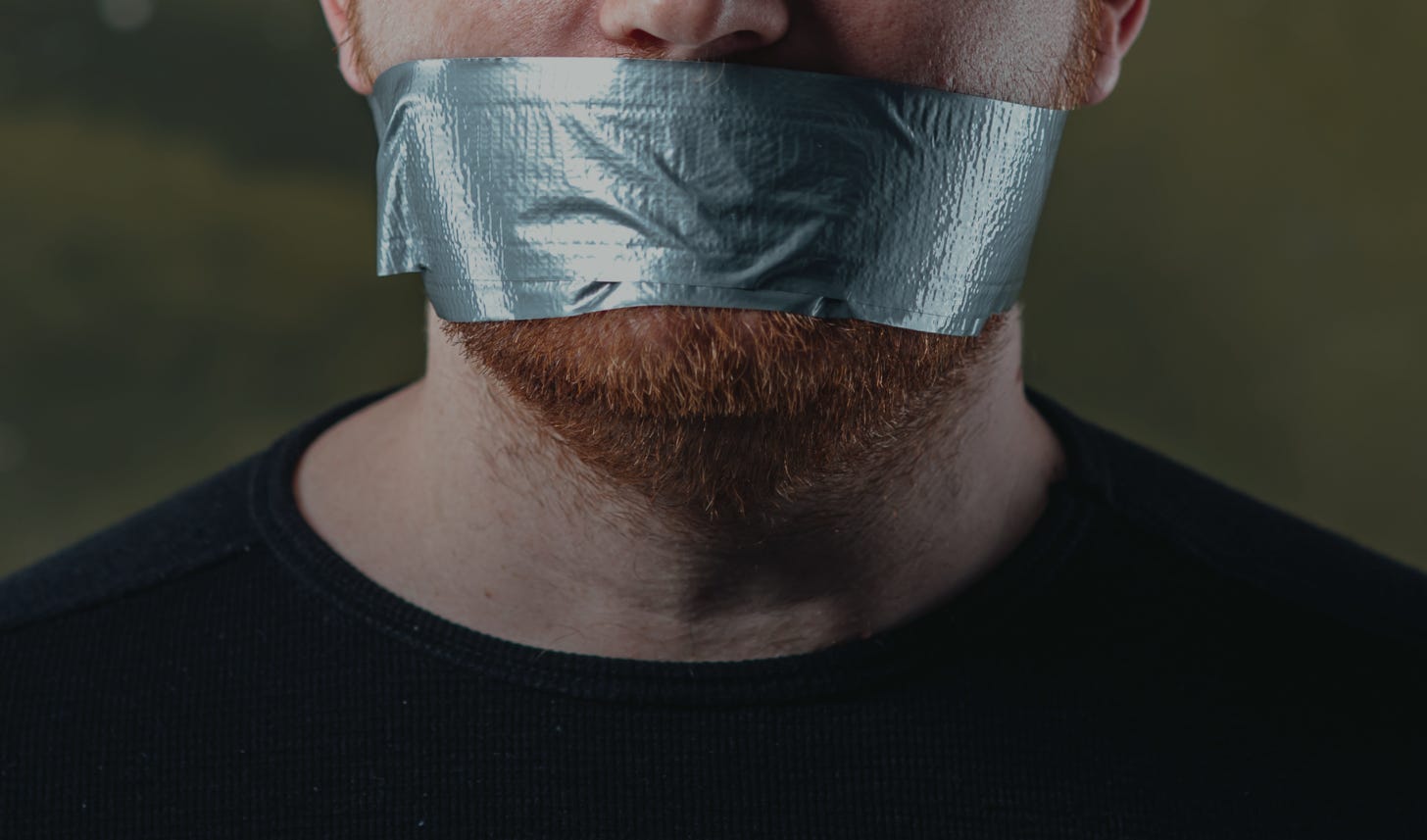
In part two of our series on the making of Australia’s police state, we explore key reforms at state level that have hastened the erosion of democratic rights.
In lockstep with incremental legal changes at federal level – which we covered in part one – states have also introduced and changed laws to make it harder for Australians to protest or express their political thought.
In our analysis, a key pattern has emerged: states have rushed through laws targeting protests and free speech at times when powerful interest groups have been challenged. As you will see below, anti-protest laws were enacted by the major parties when those protests targeted the fossil fuel industry. We are witnessing a similar climate now, with state governments moving to criminalise political expression and further tighten protest laws to appease the pro-Israel lobby.
The actions of both Labor and Coalition governments across the country consistently signal that the ‘rights’ of powerful and wealthy elites take precedence over those of the public.
Editor’s suggestion: Use the Table of Contents to the left in desktop to jump between various states. As there’s (sadly) a long list of anti-democratic state laws, we’ve separated the below into two parts – anti-protest and free speech.
Anti-protest and expanded police powers
New South Wales
Legal foundation: June 1988
The law: Summary Offences Act 1988
Who passed it? The Greiner Coalition government with Labor support.
What does it do? Requires protest organisers to notify NSW Police ahead of protests by submitting a ‘Form 1’. Without approval, protesters are subject to a wide range of offences, many of which are explained below. This means that the police have discretion to choose which protests will go ahead, and often cite vague ‘public safety concerns’ to selectively block protest activity.
The NSW Parliamentary Research Service notes that subsequent laws building on top of the Form 1 system are so restrictive that the common-law right to protest in NSW “...does not permit any meaningful protest activity”.
Similar systems exist in South Australia and Western Australia.
October 2009
The law: Major Events Act 2009
Who passed it? The Rees Labor government with Liberal support
What does it do? Gives the government the ability to shut down protests by declaring a major event. The law makes it an offence to enter closed roads during a major event designation, with enhanced penalties, including a fine of up to $3,300.
This is precisely what occurred last month when the NSW government declared Israeli President Isaac Herzog’s visit to Sydney a ‘major event’ in an attempt to thwart protests.
March 2016
The law: Inclosed Lands, Crimes and Law Enforcement Legislation Amendment (Interference) Act 2016
Who passed it? The Baird Coalition government, opposed by Labor.
What does it do? Essentially protects business property from protests. The law created aggravated offences for trespassing on lands used for business, if the trespassing interferes with the business. It also expanded police powers to search individuals or vehicles or seize items without a warrant if the items are believed to be intended to interfere with business on the premises.
The Act was explicitly designed to prevent protests and civil disobedience on lands used for mining, resource extraction and industry, but recent protests targeting arms manufacturers linked to F-35 fighter jets used by the Israeli air force in its genocide against Palestinians have brought this law into focus. A 2024 submission by law expert Dr Elyse Methven at the University of Technology Sydney highlighted this particular act as an example of governments protecting business interests “over civil and political rights”.
April 2022
The law: Roads and Crimes Legislation Amendment Act 2022
Who passed it? The Perrottet Coalition government with Labor support
What does it do? Drastically limits scope for civil disobedience with harsh new offences and penalties (up to $22,000 in fines or two years imprisonment) for unauthorised protests on major roads and ports. This is on top of the bridges and tunnels already prescribed by the same laws.
Importantly, the law grants ministerial authority to apply this designation to any road or public infrastructure facility. While the Act initially outlawed activity that caused the closure of a major facility, this was ruled as unconstitutional by the NSW Supreme Court the following year.
February 2025
The law: Crimes Amendment (Places of Worship) Act 2025
Who passed it? The Minns Labor government with Liberal support
What does it do? Further limits space for protests with new offences for disrupting or obstructing access to places of worship, or harassing or intimidating people trying to access a place of worship, with fines of up to $22,000 or two years imprisonment.
It also granted police the power to issue move-on orders to unauthorised protests near places of worship, but this was struck down by the NSW Supreme Court following a claim filed by the Palestine Action Group.
December 2025
The law: Terrorism and Other Legislation Amendment Act 2025
Who passed it? The Minns Labor government with significant Coalition support (bar one Liberal dissension in the Legislative Council)
What does it do? Rushed through parliament in the wake of the Bondi terror attacks, it tightens gun laws and proscribes the public display of ‘terrorist organisation symbols’, particularly the Islamic State flag, with penalties including a fine of up to $22,000 or two years imprisonment.
The Act grants police the power to direct protesters to remove face coverings, with a severe punishment of a $5,500 fine or up to 12 months imprisonment if the individual refuses. It also grants the Police Commissioner the authority to make a ‘public assembly restriction declaration’, whereby public gatherings in a designated area can be prohibited for up to 90 days in the wake of a terrorist act.The Act partially overlaps with the Commonwealth Counter‑Terrorism Legislation Amendment (Prohibited Hate Symbols and Other Measures) Act 2023. See that entry in Part 1 of this series for how the ban on the Islamic State flag poses an indirect threat to religious freedom.
The Act is currently undergoing a constitutional legal challenge filed by a coalition of community advocacy groups.
Northern Territory
October 2006
The law: Justice Legislation Amendment (Group Criminal Activities) Act 2006
Who passed it: The Martin Labor government, opposed by the Country Liberal Party.
What does it do? Makes it an offence to loiter in a public place after being told to move on by a police officer. Failure to comply can result in a maximum fine of $17,600 or up to six months imprisonment.
While it is not, strictly speaking, an anti-protest law, the law gives police broad powers to use against protesters.
Queensland
October 2019
The law: Summary Offences and Other Legislation Amendment Act 2019
Who passed it? The Palaszczuk Labor government, opposed by the Coalition.
What does it do? Similar to other states’ anti-protest laws, the Act regulated the use of ‘attachment devices’ by protesters and granted greater police powers to search people and vehicles at protests.
March 2023
The law: Police Powers and Responsibilities (Jack’s Law) Amendment Act 2023
Who passed it? The Palaszczuk Labor government with Coalition support.
What does it do? Gives police the power to detain and search individuals in public places using handheld metal detectors, without a warrant or even reasonable suspicion. A review of the law’s trial application found Queensland police disproportionately searched First Nations people “much higher than relevant population rates”.
Despite the risk posed to marginalised communities such as First Nations people, Queensland made these laws permanent in 2025, and expanded the scope of areas police are allowed to conduct searches from specific designated zones to anywhere in public. This Act was also copied by the WA Labor government in 2024.
South Australia
February 2017
The law: Summary Offences (Declared Public Precincts) Amendment Act 2017
Who passed it? The Weatherill Labor government, opposed by the Coalition.
What does it do? Allows the state Attorney-General to declare certain areas as ‘public precincts’ for 12 hours (or even longer under special circumstances). This status grants police the authority to conduct handheld metal detector and drug detection searches of anyone in the area without warrant, with penalties for failure to comply.
Under this status, police are also given the discretion to evict people or groups of people from the area and to use force if necessary. It creates criminal penalties for anyone who fails to comply, re-enters or attempts to re-enter the public precinct.
Parts of the Adelaide CBD are effectively an ongoing public precinct, subject to the declaration 12 hours a day, every day. While this has been widely criticised for the impact it has on unhoused and vulnerable populations living in the CBD, it also means protests may be subject to the whims of police.
May 2023
The law: Summary Offences (Obstruction of Public Places) Amendment Act 2023
Who passed it? The Malinauskas Labor government with Liberal support.
What does it do? Imposes the harshest financial penalty for a protest in the country. The law increased the penalties for obstructing traffic or access to a public place, as well as making protesters criminally liable for further traffic obstructions caused by emergency vehicles at the protest. The law also allows the state to recover emergency services’ costs from protest organisers themselves, on top of a maximum fine of $50,000 or 3 months imprisonment for public obstruction.
This Act was passed through the House of Assembly in less than 30 minutes, days after climate protesters targeted a major oil and gas conference at which the Minister for Energy and Mining, Tom Koutsantonis, told the conference: “the South Australian government is at your disposal, we are here to help”. Civil rights groups have claimed that this is a law that seems to be designed for no other reason than to make it harder and riskier to peacefully protest, and is shamefully undemocratic.
Tasmania
Legal foundation: October 1935
The law: Police Offences Act 1935
Who passed it? The Ogilvie Labor government
What does it do? Made Tasmania the only state where it is an outright offence to hold a public demonstration without a police permit.
August 2022
The law: Police Offences Amendment (Workplace Protection) Act 2022
Who passed it? The Rockliff Liberal government, opposed by Labor.
What does it do? Creates aggravated offences and penalties around protests as part of the Tasmanian government’s attempts to criminalise climate and environmental activism in defence of the logging industry. The law replaced a prior 2014 anti-protest law that was ruled unconstitutional by the High Court.
The Act focuses on trespass in industrial areas (which includes forests for logging), as well as preventing a person from carrying out work. Under this law, protesters can potentially face fines of up to $14,625 or two years imprisonment for repeat offences. It grants police the discretion to make arrests and charge people under the Act for something as minor as holding up traffic. Civil rights groups labeled the Act “unnecessary, disproportionate and anti-democratic”.
Victoria
November 2009
The law: Summary Offences and Control of Weapons Acts Amendment Act 2009
Who passed it? The Brumby Labor government, opposed by the Coalition.
What does it do? An amendment to the Summary Offences Act 1966 and the Control of Weapons Act 1990, it established a police move-on notice regime for public disorder and granted police no-warrant search powers of people and vehicles on reasonable suspicion of possessing weapons.
Allows the designation of high-crime areas to be factored into ‘reasonable suspicion’, meaning being present in a certain neighbourhood can itself give police cause to search you. These search and designation powers have since been expanded multiple times by subsequent amendments.
August 2017
The law: Crimes Legislation Amendment (Public Order) Act 2017
Who passed it? The Andrews Labor government, supported by the Coalition.
What does it do? In Victoria, local councils have the authority to make their own protest laws. This Act, however, requires councils to seek police approval to permit a protest.
The laws vary from council to council – in the Melbourne CBD, for example, it is an offence to hold a protest without a permit.
December 2025
The law: Justice Legislation Amendment (Police and Other Matters) Act 2025
Who passed it? The Allan Labor government, supported by the Coalition.
What does it do? Among a broad swathe of other amendments relating to crime and policing, it bans the use of chains and locks intended to attach protesters to objects as a form of civil disobedience, and also grants police the power to order protesters to remove masks or face coverings unless they have a valid excuse. Mirroring NSW legislation passed in February of that year, the Act also allows the prohibition of protests outside of or near places of worship.
Human rights groups have pointed out that these bans are a dramatic crackdown on protests as a whole, further restricting the range of actions Victorians are allowed to take to express legitimate grievances.
Western Australia
Currently proceeding through the Legislative Council (yet to enter the Legislative Assembly)
The law: Criminal Code Amendment (Post and Boast Offence) Bill 2025
Who proposed it? The Cook Labor government.
What would it do? Make it an offence to share online images or videos of ‘relevant offences’ if the intent is to boast or glorify what the images or videos depict. Most importantly, ‘relevant offences’ can mean protests or activism that fall foul of WA’s unlawful assembly laws. A parliamentary oversight committee identified that these proposed laws, although intended to prevent social media glorification of hooning and unruly behaviour, are so broad in their scope that they pose a very real risk of being used against peaceful protest.
Currently proceeding through the Legislative Council (completed second reading)
The law: Public Order Legislation Amendment Bill 2026
Who proposed it? The Cook Labor government.
What would it do? Allows police to refuse a protest permit if they believe it could lead to hate based on race or religion, and bans face coverings in public protests among other measures.
Given the broad definition of what constitutes ‘hate’, the law allows a wide scope for governments and police to target and prohibit Western Australians from exercising political expression by means of protest.
Alarmingly, it gives police the discretion to decide what counts as legitimate political communication and what doesn’t.

Free speech
New South Wales
February 2025
The law: Crimes Legislation Amendment (Racial and Religious Hatred) Act 2025
Who passed it? The Minns Labor government with Coalition support.
What does it do? Makes racial or religious hate or prejudice an aggravating factor when prosecuting a crime, even if it is found to be only a partial, rather than the primary motivating, factor in the crime. Also creates new offences for the display of Nazi symbols and graffiti, particularly near Jewish sites of significance.
February 2025
The law: Crimes Amendment (Inciting Racial Hatred) Act 2025
Who passed it? The Minns Labor government with Coalition support.
What does it do? Makes it a crime to publicly incite hatred along racial lines, with exceptions for citing religious texts for purposes of religious instruction.
This law was criticised by human rights groups for their mandatory minimum sentencing requirements, lack of committee consultation, the ambiguity and breadth of the proscribed offences, and the lack of necessity for these laws over pre-existing ones.
Queensland
October 2023
The law: Criminal Code (Serious Vilification and Hate Crimes) and Other Legislation Amendment Act 2023
Who passed it? The Palaszczuk Labor government with Coalition support.
What does it do? Similar to recent laws in other states, it introduced new aggravated penalties for hate-motivated crimes, as well as allowing for the prohibition of ‘hate’ symbols by regulation (i.e. at the discretion of government ministers). The Queensland Council for Civil Liberties presciently warned that the laws have “the potential to move way beyond” the banning of Nazi symbols.
March 2026
The law: Fighting Antisemitism and Keeping Guns out of the Hands of Terrorists and Criminals Amendment Bill 2026
Who passed it? The Crisafulli Liberal-National Party government, opposed by Labor.
What will it do? Ban two phrases supportive of Palestinians: “from the river to the sea”, and “globalise the intifada”, punishable by a fine of over $24,000 or two years imprisonment. The Bill expands police stop and search powers over people suspected of use or possession of phrases or symbols designated as “antisemitic”. It also creates new offences for protesting at places of worship, similar to the NSW Crimes Amendment (Places of Worship) Act 2025.
The Bill has been widely criticised, both for its vehemently anti-democratic implications and for the hasty manner in which it has been rushed through parliament.
While opposed by Labor at the final vote, it was supported by Labor until the Crisafulli government made a last minute amendment to the Bill, narrowing the scope of prohibited phrases to the two named above. In its original form, the Bill allowed the attorney-general to proscribe any phrase that could incite violence or hate.
Victoria
April 2025
The law: Justice Legislation Amendment (Anti‑vilification and Social Cohesion) Act 2025
Who passed it? The Allan Labor government, opposed by the Coalition.
What does it do: Creates new offences and penalties for threatening harm or property damage (punishable by up to five years imprisonment) or inciting hatred (punishable by up to three years imprisonment) along the lines of any protected attribute (such as race, religion, gender, disability etc.).
As with the spate of similar laws being passed nationwide over the last two years, this Act has been criticised by Victorian civil rights groups as potentially chilling legitimate protest and lacking safeguards around what constitutes inciting hatred.
March 2026
The law: Crimes Amendment Bill 2026
Who passed it?: The Allan Labor government, with Coalition support.
What does it do: Allows police to prosecute vilification offences without the consent of the Director of Public Prosecutions. This removes an important safeguard for police powers, giving police the sole discretion to determine what might constitute hate speech without procedural oversight and likely without due consideration for legitimate political speech.
A democratic government is a responsive one, but the legislation listed here paints a damning picture of state governments that are, above all else, averse to public dissent when that dissent challenges power.
Many of these laws give undue discretionary powers to the police to decide what is and isn’t a valid cause for public outcry. Vague terms like ‘disorderly conduct’ or ‘public safety’ are the legal rhetoric selectively applied to justify targeting legitimate democratic actions like protests and political expression.
As we saw with the police violence at the Isaac Herzog rally in Sydney, governments readily deploy police resources against the Australian public under the cover of these laws to protect the interests of the powerful.
Stay tuned for Part Three.

One question: What are the laws in the ACT please?